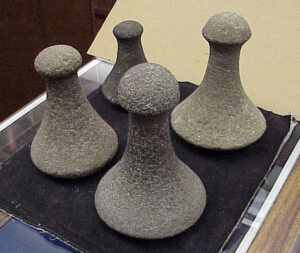
The Hawaiians were among the most skillful artisans in Polynesia, using natural resources to meet every necessity of life. Durable and versatile, stone formed the backbone of early Hawaiian technology and craftsmanship. While wood, plant fibers, bone, and feathers were vital to daily life and cultural identity, it was stone that gave the culture its strength and permanence. From fishing and food preparation to warfare and religious practice, stone tools and implements were indispensable. For this reason, collecting remnants of Hawai‘i’s past centers strongly on stone artifacts.
Some of the most enduring and well-preserved artifacts are of stone. Hawaiians shaped basalt, coral, and other native materials into fishing lures, weights, game stones, food processors (such as poi pounders, mortars, and pestles), weapons, bowls, and ceremonial items.
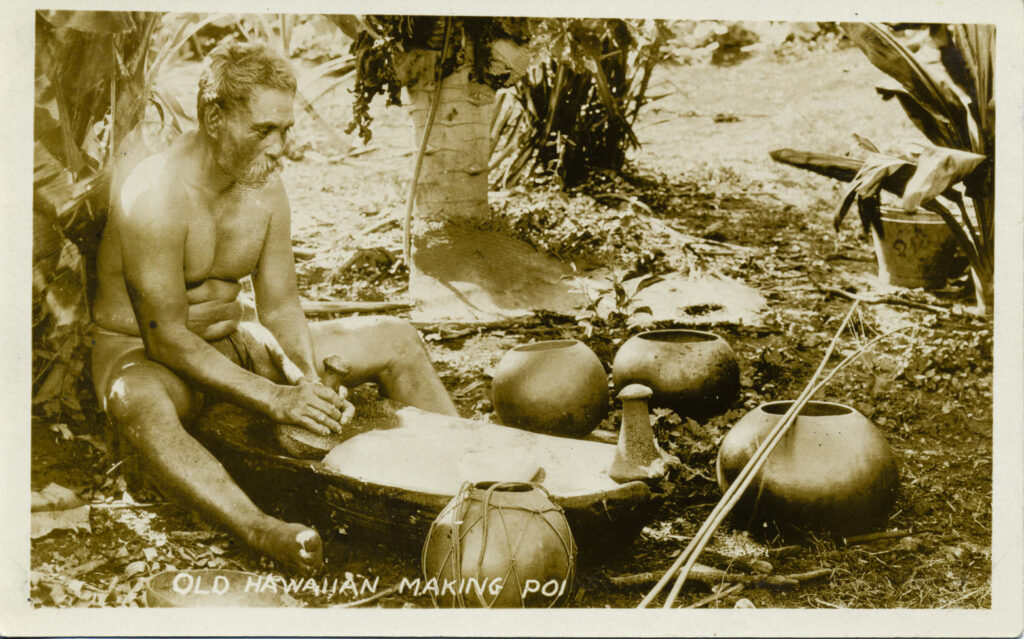
Perhaps the most recognizable Hawaiian stone artifact is the poi pounder (pōhaku ku‘i ‘ai), used to prepare kalo (taro) into poi. There are three main types: knob, stirrup, and ring. The stirrup and ring forms were developed on Kaua‘i, possibly due to women’s involvement in making poi, as these forms generally required two hands. The heavier knob type could be used with one hand. Poi pounders continued to be produced well into the 20th century, and they remain one of the most studied Hawaiian stone tools.
In a culture without gunpowder, stone weapons (mea kaua pōhaku) played a vital role. Lemon-shaped sling stones were hurled in battle; stone-headed clubs could deliver lethal blows; tripping stones were used to unbalance an opponent; and “canoe breakers,” stones tied to cords, could be swung to knock off a canoe outrigger, capsizing it in combat.
 Bowls and Religious or Spiritual Stones
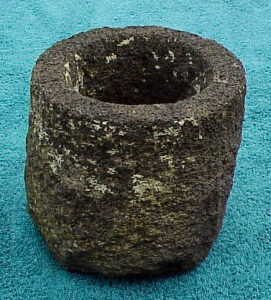
Stones were shaped into grinding bowls, pestles, ceremonial bowls, and salt pans. The diversity of these artifacts reflects the many ways Hawaiians used stone in daily life and ritual practice. Basalt stone was also used to make religious items such as ‘aumākua figures and Kahuna cups.
Fishing was central to Hawaiian life, and stone artifacts were an important part of this practice. Hooks were commonly fashioned from wood, human bone, shell, dog teeth, and turtle shell. Yet stone maintained a key role in fishing technology. Stone lures (lūhe‘e pōhaku)—often in shapes now described as “coffee bean” or “bread loaf”—were lashed to wooden shafts with bone hooks to catch squid (he‘e), a favorite Hawaiian food. This technique continues today in modified form, with modern fishermen substituting lead and metal for the stone and bone components.
Other weights and anchors came in many forms, from small coral sinkers to large basalt anchors for deep water. Some are rough and irregular, while others show considerable craftsmanship. These artifacts highlight both the practicality and artistry of Hawaiian fishermen.
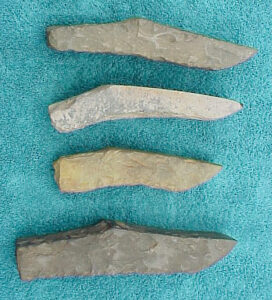 Adzes & Cutting Tools
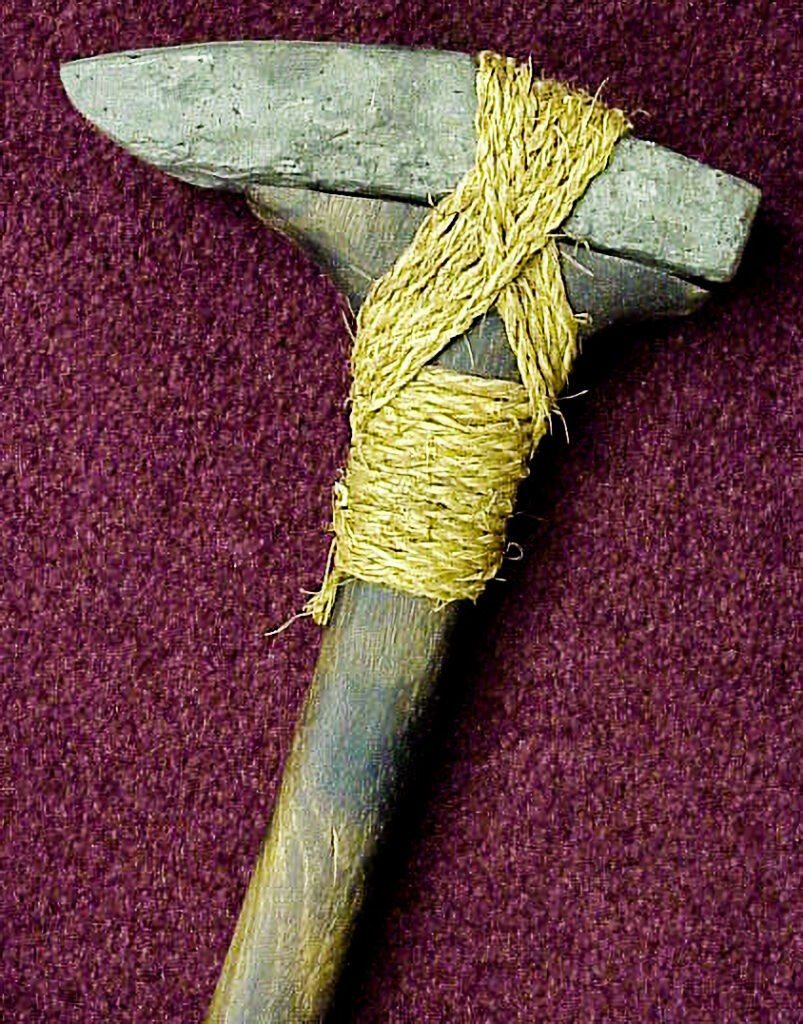
Among the most important Hawaiian tools was the stone adze (ko‘i), used for shaping wood, carving canoes, and even fashioning other stone implements. Typically made from fine-grained basalt, the adze was ground and polished to a sharp cutting edge, then fitted into a wooden handle—or haft—lashed securely with cordage. The craftsmanship required to produce a well-balanced adze reflected both skill and cultural significance.
Almost every kind of rock found in the islands was used in some way. One particularly prized material was hematite, a fine-grained reddish stone found on Kaua‘i and Ni‘ihau, often crafted into fishing lures. Another was lava with olivine, valued for its hardness and visual quality.
One of the most frequent questions from collectors concerns the age of stone artifacts. Unfortunately, this is one of the most challenging aspects of the field. Some artifacts, such as poi pounders, were made well into the 20th century, and many artisans today create stone reproductions as works of art. Still, there are guidelines that serious collectors follow:
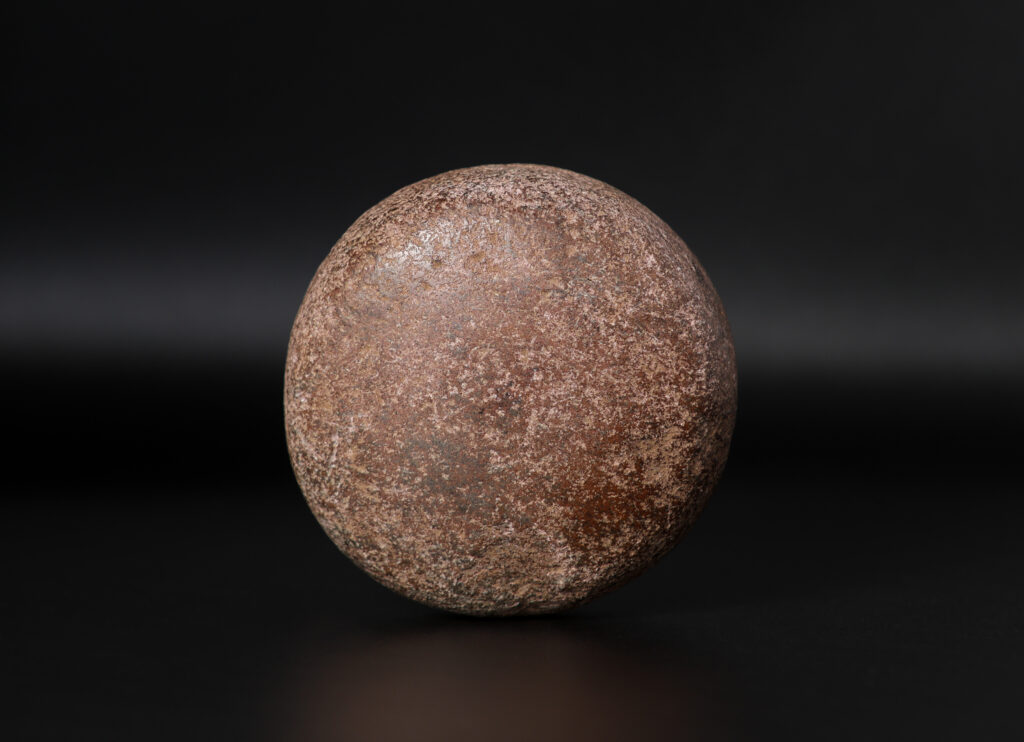
To hold a Hawaiian stone artifact is to hold a piece of a culture that made remarkable use of its environment. Whether for preparing food, waging battle, practicing religion, or providing sustenance from the sea, stone tools reflect the ingenuity and adaptability of the Hawaiian people. Collecting and studying these artifacts allows us to understand not only Hawai‘i’s past, but also the lessons it carries for today.
